
 📖 peek inside
Capital in the Twenty-First Century
by Thomas Piketty
Thomas Piketty's landmark work analyzes centuries of data from twenty countries to uncover the fundamental dynamics of wealth and income inequality. He argues that when the rate of return on capital exceeds the rate of economic growth, wealth concentrates at the top, threatening democratic values. By tracing the evolution of inequality since the Industrial Revolution, Piketty provides a rigorous framework for understanding modern capitalism. It is an essential read for anyone concerned about the future of global economic stability and social justice.
A well-known book with a dedicated readership.
Notable Quotes
"When the rate of return on capital exceeds the rate of growth of output and income, as it did in the nineteenth century and seems quite likely to do again in the twenty-first, capitalism automatically generates arbitrary and unsustainable inequalities that radically undermine the meritocratic values on which democratic societies are based."
"Over a long period of time, the main force in favor of greater equality has been the diffusion of knowledge and skills."
"For millions of people, “wealth” amounts to little more than a few weeks’ wages in a checking account or low-interest savings account, a car, and a few pieces of furniture. The inescapable reality is this: wealth is so concentrated that a large segment of society is virtually unaware of its existence, so that some people imagine that it belongs to surreal or mysterious entities. That is why it is so essential to study capital and its distribution in a methodical, systematic way."
You might also enjoy

The Dawn of Everything: A New History of Humanity
by David Graeber and David Wengrow
A massive, intellectually rigorous rethinking of human history. It uses fresh archaeological data to challenge everything we know.
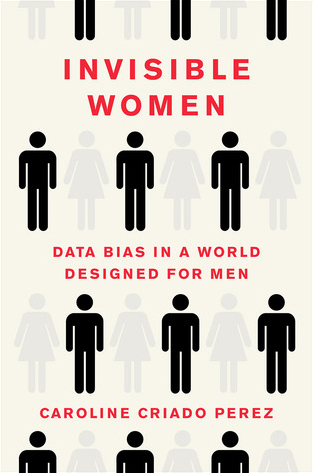
Invisible Women: Data Bias in a World Designed for Men
by Caroline Criado Perez
Exposes the hidden gender data gap shaping society. A heavily researched, eye-opening look at everyday systemic inequalities.

The Righteous Mind: Why Good People are Divided by Politics and Religion
by Jonathan Haidt
Explores the deep psychology behind our moral judgments. A brilliant, research-backed framework for understanding modern political divides.
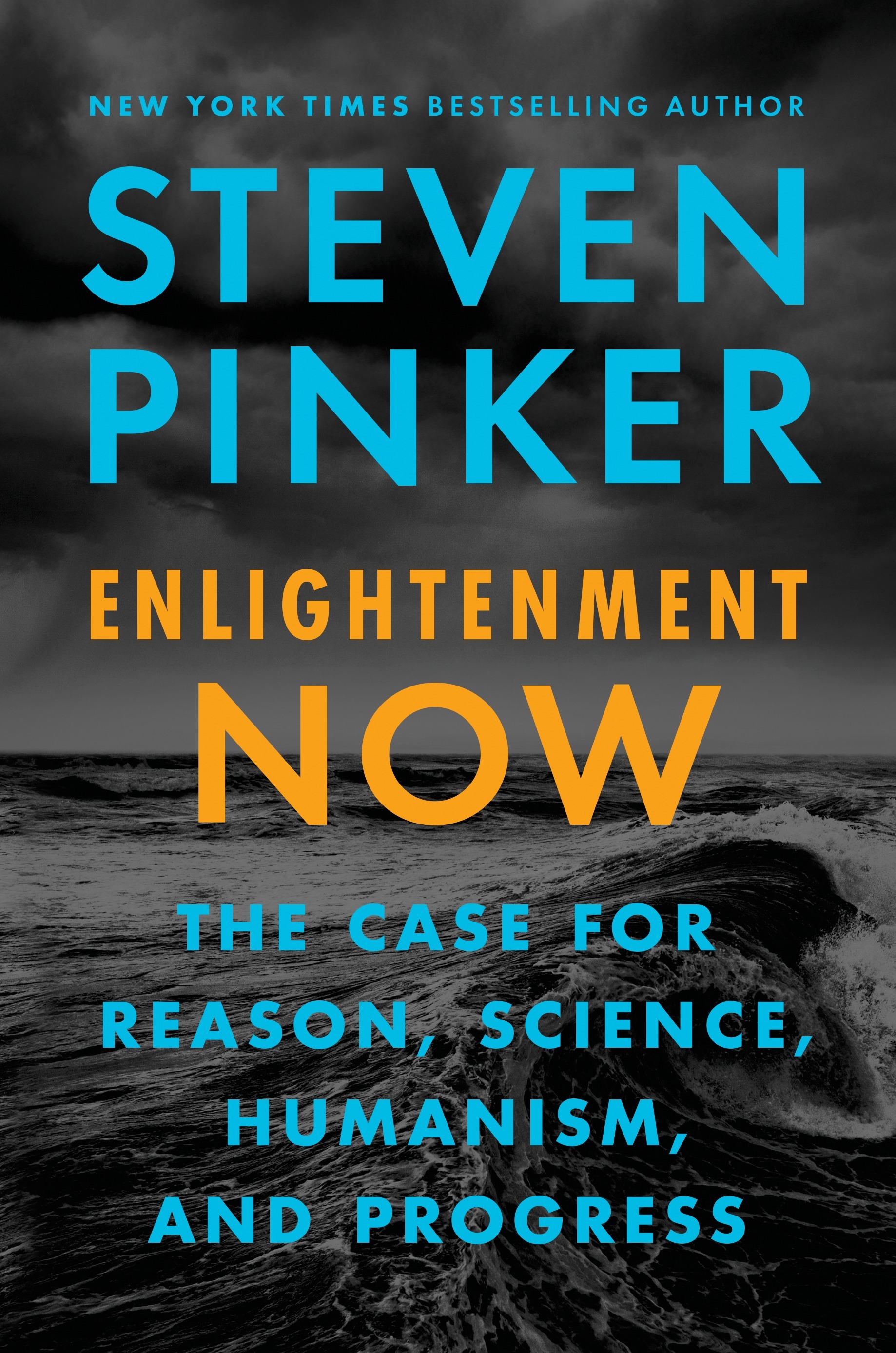
Enlightenment Now: The Case for Reason, Science, Humanism, and Progress
by Steven Pinker
A massive, data-driven defense of human progress. It uses rigorous statistics to prove the world is actually improving.

The Information: A History, a Theory, a Flood
by James Gleick
A deeply intellectual history of communication and information theory. Perfect for understanding the invisible architecture of modern technology.

Wild
by Cheryl Strayed
A grieving woman impulsively hikes the Pacific Crest Trail alone. A raw, adventurous, and beautifully told redemption story.